
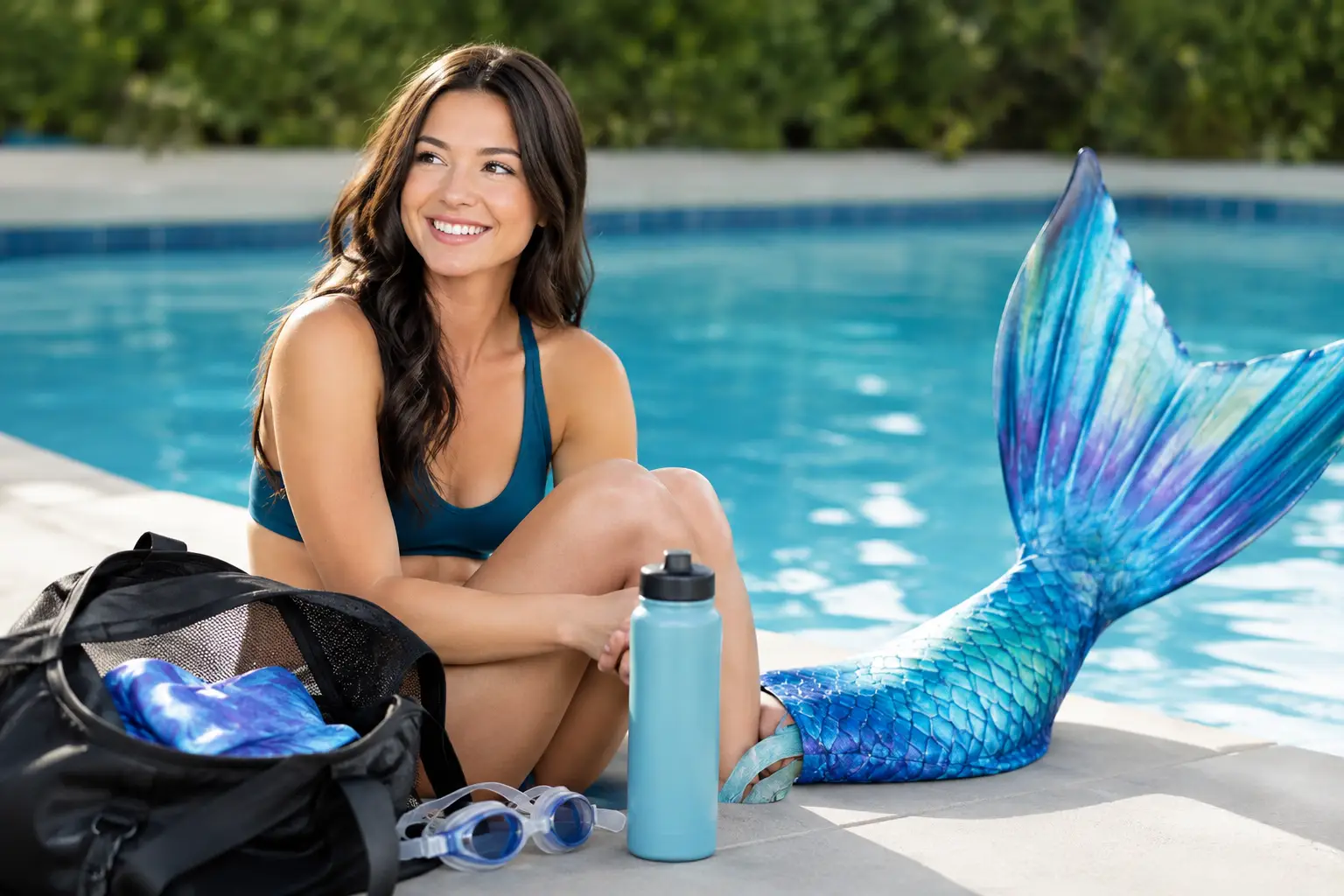
The moment you slip into a mermaid tail, the pool becomes a completely different place. You are not just swimming laps – you are learning to move with intention, breath control, and graceful power. Knowing how to prepare for mermaid class helps you arrive calm, capable, and ready to enjoy every magical minute underwater.
A mermaid experience is welcoming for beginners, but it is still a water activity that asks for focus and respect. The best preparation is not about looking perfect in photos. It is about feeling comfortable in the water, listening closely to your instructor, and giving yourself permission to learn at your own pace.
Start With Honest Swim Readiness
You do not need to be a competitive swimmer to enjoy a mermaid class. You do need to be at ease in the water. Most introductory programs expect participants to swim independently, float comfortably, and put their face in the water without panic. Exact requirements can vary by course, so check with your training center before you book.
If it has been a while since you swam, spend time in a pool before class. Practice floating on your front and back, kicking gently with a board, and swimming a few relaxed lengths. The goal is not speed. It is becoming familiar with the feeling of water around your face and body.
Nervous swimmers often make one mistake: they tense every muscle and try to force the water to cooperate. Mermaid movement works better when you soften your shoulders, lengthen your body, and let the water support you. A little pre-class pool time can make that lesson much easier to absorb.
Build Comfort With Breath Control, Not Breath-Holding Records
Mermaid swimming includes underwater skills, which means breath awareness matters. Before class, practice slow, calm breathing on land: inhale comfortably, pause briefly, then exhale slowly and fully. This can help you stay relaxed when your instructor introduces underwater movements.
Do not train yourself to hold your breath for long periods, and never practice breath-holding in water alone. Hyperventilating before a breath hold is also unsafe because it can reduce your natural urge to breathe without giving your body the oxygen it needs. In a professional mermaid class, your instructor will teach breathing and underwater techniques progressively, with active supervision and safety protocols.
Your job is simple: never compete with another student, never push through discomfort, and always surface before you feel stressed. Grace comes from control, not from staying underwater longer than you should.
Tell Your Instructor What They Need to Know
A great class begins with clear communication. Let your instructor know if you are anxious in deep water, have ear equalization difficulties, are recovering from an injury, have asthma or another medical condition, or have not been swimming recently. This is not something to hide or apologize for. It helps the team adapt instruction and support you properly.
If you wear contact lenses, ask whether goggles or a mask will be used and what the center recommends. If you need prescription goggles, arrange them ahead of time. Small details can make a major difference to your comfort underwater.
Know What You Will Wear
Many mermaid programs provide the monofin and tail, but each center has its own equipment policy. Ask what is included before you arrive. You may need to bring a swimsuit, rash guard, towel, refillable water bottle, and a change of dry clothes. Long hair is best secured in a way that stays comfortable under a mask strap or in water.
Choose swimwear that stays in place when you kick, float, and stretch your arms overhead. A secure one-piece swimsuit or well-fitted athletic bikini is usually a better choice than something designed only for sunbathing. Avoid loose jewelry, sharp accessories, or anything that could snag the tail fabric.
For a class in Tulum or elsewhere in the Riviera Maya, sun protection matters before and after your session, especially if you will be outdoors. Apply reef-conscious sunscreen well before getting in the water, follow the facility’s rules, and bring a cover-up for the walk back to shore or the pool deck. If your class takes place in cooler water, your instructor may recommend a wetsuit or additional thermal protection.
Arrive Hydrated, Fueled, and Unrushed
A mermaid class can be more physically demanding than it looks. The dolphin kick engages your core, hips, glutes, and legs, while underwater movement asks you to stay relaxed and coordinated. Eat a light, familiar meal a couple of hours before class, and drink water throughout the day.
Avoid arriving overly full, dehydrated, hungover, or exhausted after a late night. These factors can make it harder to equalize your ears, regulate your breathing, and enjoy the water. Skip alcohol before any water activity, and be cautious with heavy meals immediately before getting in.
Give yourself extra time for check-in, changing, and listening to the pre-class briefing. Rushing onto the pool deck is the fastest way to start tense. Arriving 15 to 20 minutes early gives you space to settle in, ask questions, and meet the people sharing the experience.
Prepare Your Body for the Mermaid Kick
You do not need a specialized fitness plan, but gentle mobility can make your first session feel far better. Mermaid propulsion comes from a fluid full-body wave, not from aggressively bending your knees. Flexible ankles, mobile hips, and a stable core all help.
In the days before class, try a few minutes of easy stretching. Focus on ankle circles, calf stretches, hip flexor stretches, and gentle torso twists. You can also practice lying face down and making a small wave through your body from chest to hips to feet. Keep it slow and easy. If anything pinches or hurts, stop.
Strength helps, but tension does not. Students who are already strong sometimes try to muscle their way through the monofin. Beginners who stay patient often learn the rhythm faster because they are willing to feel the movement before forcing it.
Leave Perfection at the Surface
Social media can make mermaid swimming look effortless, but those flowing turns and long underwater glides are learned skills. Your first class may include adjusting the tail, finding your balance, clearing water from your mask, or giggling when your feet feel delightfully different inside a monofin. That is all part of the experience.
Expect your instructor to begin with safety, equipment fit, body position, and basic propulsion. You may start in shallow water before progressing into deeper areas. This progression is not a delay on the fun. It is what makes the fun feel free rather than frightening.
Bring curiosity instead of comparison. Every body moves differently in water, and every student has a different relationship with confidence, flexibility, and breath. The right class creates room for all of that.
What to Ask Before You Book
A professional program should be happy to explain its safety standards and what the day includes. Before booking, ask whether the class is suitable for your swimming level, whether equipment is provided, how deep the training area is, and what happens if you feel uncomfortable during a skill.
You can also ask about instructor qualifications, student-to-instructor ratios, and whether the course follows a recognized training structure. At Infinity2Diving, mermaid experiences are approached with the same safety-first mindset that guides every underwater adventure: clear instruction, supportive coaching, and respect for the water.
If you are traveling with friends or family, remember that readiness can differ from person to person. Someone may be ready for a full course while another person would enjoy a shorter introductory experience more. Choosing the right level is part of making the day memorable for the right reasons.
A Simple Day-Of Checklist
Before you leave, make sure you have the essentials:
- A secure swimsuit and any required rash guard or wetsuit
- Towel, dry clothes, and a refillable water bottle
- Hair tie, goggles, or prescription eyewear if approved by the center
- Sunscreen and a cover-up if you will be outside
- Any medical information or forms requested during booking
Most importantly, bring an open mind. Mermaid class is a chance to reconnect with play while building genuine aquatic skills. Arrive rested, listen to your instructor, and let your first glide through the water be exactly what it is supposed to be: the beginning of a new kind of confidence.