
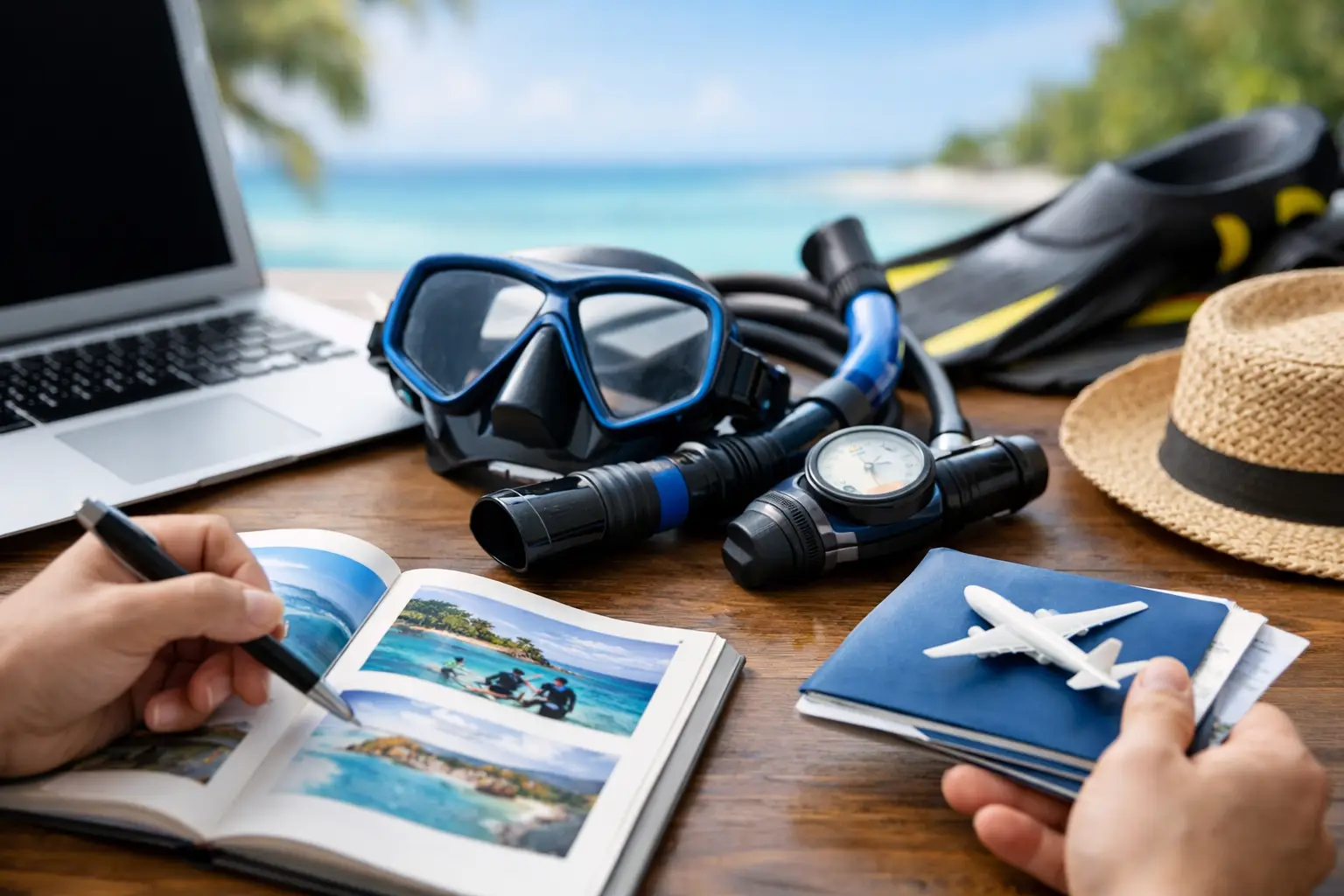
A cenote morning, a Caribbean reef afternoon, and a new certification by the end of the week can be an incredible Tulum itinerary. But knowing how to book scuba package experiences well is what turns that dream into a safe, well-paced adventure instead of a schedule full of surprises.
The best package is not necessarily the one with the most dives or the lowest headline price. It is the one that matches your experience, travel dates, comfort in the water, and goals – whether that means breathing underwater for the first time, seeing Tulum’s famous cenotes, or taking the next serious step toward a professional diving career.
Start With the Experience You Actually Want
Before comparing packages, decide what you want your underwater trip to feel like. Tulum offers dramatically different environments, and a great itinerary gives each one the space it deserves.
Certified divers often come for the combination of cenotes and ocean diving. Cenotes are freshwater caverns with striking light beams, limestone formations, and crystal-clear visibility. Reef dives offer a different kind of energy: colorful marine life, gentle drift conditions on many sites, and the open-water feeling of the Caribbean. Wreck dives may also be available for divers with the right certification and conditions.
If you have never scuba dived, do not book a package built for certified divers and hope to catch up. Choose a beginner experience or a PADI course that begins with the fundamentals. You will learn at a pace that supports confidence, then earn access to more of the underwater world. If you are already certified but have not dived in a year or two, a refresher and guided dives may be a better fit than jumping directly into advanced training.
Your goal determines the right format:
- First-time guests may prefer a Discover Scuba Diving experience or an entry-level certification course.
- Newly certified divers can build experience through guided reef and cenote diving.
- Experienced recreational divers may combine specialty training with destination dives.
- Future professionals need a structured progression toward Divemaster, Instructor, or career-development training.
Booking around your real starting point is not a limitation. It is how you get the most rewarding dives possible.
How to Book a Scuba Package That Fits Your Schedule
Once you know your objective, work backward from your flight home. This matters more than many travelers realize because diving and flying require proper surface intervals for safety. Plan your final dive with enough time before your departure, and avoid placing a major course requirement on the last possible day of your trip.
For a short vacation, a package with two or three carefully chosen days of diving can feel more satisfying than trying to fit five days into a rushed itinerary. Build in room for weather changes, fatigue, and the simple pleasure of enjoying Tulum above water. Cenote and ocean conditions can vary, and a professional dive center should be ready to advise on the best order for your activities.
Multi-day packages are especially valuable when your goals include certification. Skills need time to settle. A rushed course may technically fit a calendar, but learning with focused instruction, adequate rest, and time to ask questions creates stronger divers.
When you contact a dive center, share your arrival and departure dates, current certification level, approximate number of logged dives, last dive date, and any goals you have for the trip. A good team can then recommend a package rather than pushing a one-size-fits-all product.
Look Beyond the Price to What Is Included
A low advertised rate can become expensive once equipment rental, transportation, marine park fees, certification materials, food, photos, and taxes are added. Ask for a clear breakdown before you reserve.
Premium scuba packages should make the logistics easy to understand. Depending on the program, inclusions may cover professional instruction, dive guides, tanks and weights, equipment, transportation to dive sites, entrance fees, PADI materials, certification processing, and refreshments. What is included differs between a guided excursion and a certification course, so do not assume every package contains the same items.
Also ask what is not included. This is where travelers can make a fair comparison between two offers that initially look similar. For example, a quote may exclude rental gear, private guides, hotel pickup outside a defined zone, or certain course materials. There is nothing wrong with exclusions when they are communicated clearly. The issue is discovering them after you have committed.
All-inclusive pricing is often worth more than convenience. It lets you focus on buoyancy, marine life, and the experience in front of you rather than constantly calculating extras.
Choose Safety, Credentials, and Group Size Carefully
Your dive package should feel exciting because of the environment, never because standards have been compromised. Check that the center is an established PADI operation, uses qualified instructors and guides, maintains its equipment, and explains medical requirements before you arrive.
Cenote diving deserves particular attention. These sites have unique overhead-environment considerations, and they are not interchangeable with a casual ocean reef dive. Ask who will guide you, what certification or experience is required, how the briefing works, and whether the route suits your comfort level. The right guide transforms a beautiful cenote from something you simply see into an environment you understand and respect.
Group size matters too. Smaller groups can mean more personal attention, easier communication, and more time to refine skills during training. That does not mean every small group is automatically better, but it is a useful question to ask, especially for beginners, families, or divers returning after a long break.
A center’s attitude toward questions is another strong signal. You should feel welcome to ask about currents, depth, equipment setup, emergency procedures, marine-life policies, and your own readiness. Professional teams answer clearly, without making you feel inexperienced for asking.
Read the Conditions and Requirements Before You Commit
Every diver arrives with a different level of comfort, health history, and travel energy. Be honest about yours. You may need a medical clearance if you have certain conditions, take particular medications, have had recent surgery, or answer yes to questions on the diver medical form. Handle this before your trip whenever possible, rather than losing valuable dive days trying to arrange it locally.
If you are booking a course, ask what you need to complete in advance. Many PADI programs include digital learning that can be completed before arrival. Doing the knowledge development at home can leave more of your vacation for pool sessions, open-water training, and memorable dives.
For certified divers, bring proof of certification and logbook information if available. A digital certification card is often helpful, but the center may still ask about your recent experience and comfort in conditions relevant to the planned dives.
Build a Package Around Progression, Not Just Activities
The strongest scuba trips create momentum. Your first guided dives may lead to an Advanced Open Water course. A fascination with buoyancy can lead to Peak Performance Buoyancy training. A love for the cenotes can inspire a deeper interest in technical or cave education, completed only through proper training and gradual experience.
That progression is especially meaningful for travelers who feel a larger change beginning underwater. Scuba diving can become a skill, a lifelong community, and for some, a career. Infinity2Diving supports that path from first experiences through professional PADI development, with the same emphasis on expert guidance and confidence-building at every level.
Still, there is no prize for moving faster than you are ready to move. A recreational diver does not need to turn a vacation into a checklist of certifications. Sometimes the best package is simply a few beautifully guided dives, time to practice relaxed breathing and buoyancy, and the chance to leave wanting more.
Confirm the Details Before You Pay
Before finalizing a reservation, confirm the meeting time, pickup arrangements, package itinerary, minimum age, required certifications, equipment sizing process, cancellation policy, weather policy, and payment terms. Ask whether the itinerary can change if sea conditions shift and what alternatives are offered if a particular dive site is unavailable.
It is also smart to tell the team about special occasions, accessibility needs, nervousness in open water, dietary restrictions, or whether you are traveling with non-divers. The right planning can make it possible for everyone in your group to enjoy the day, even if they are not all doing the same activity.
Bring a swimsuit, towel, reef-safe sun protection, a reusable water bottle, and a sense of curiosity. Leave marine life untouched, avoid standing on coral, and listen closely to your briefing. These small choices protect the places that make Riviera Maya diving so extraordinary.
The right scuba package should leave you feeling looked after before you enter the water and more capable when you surface. Book with clarity, choose training that respects your level, and give yourself enough time to let the underwater world change the rhythm of your trip.