
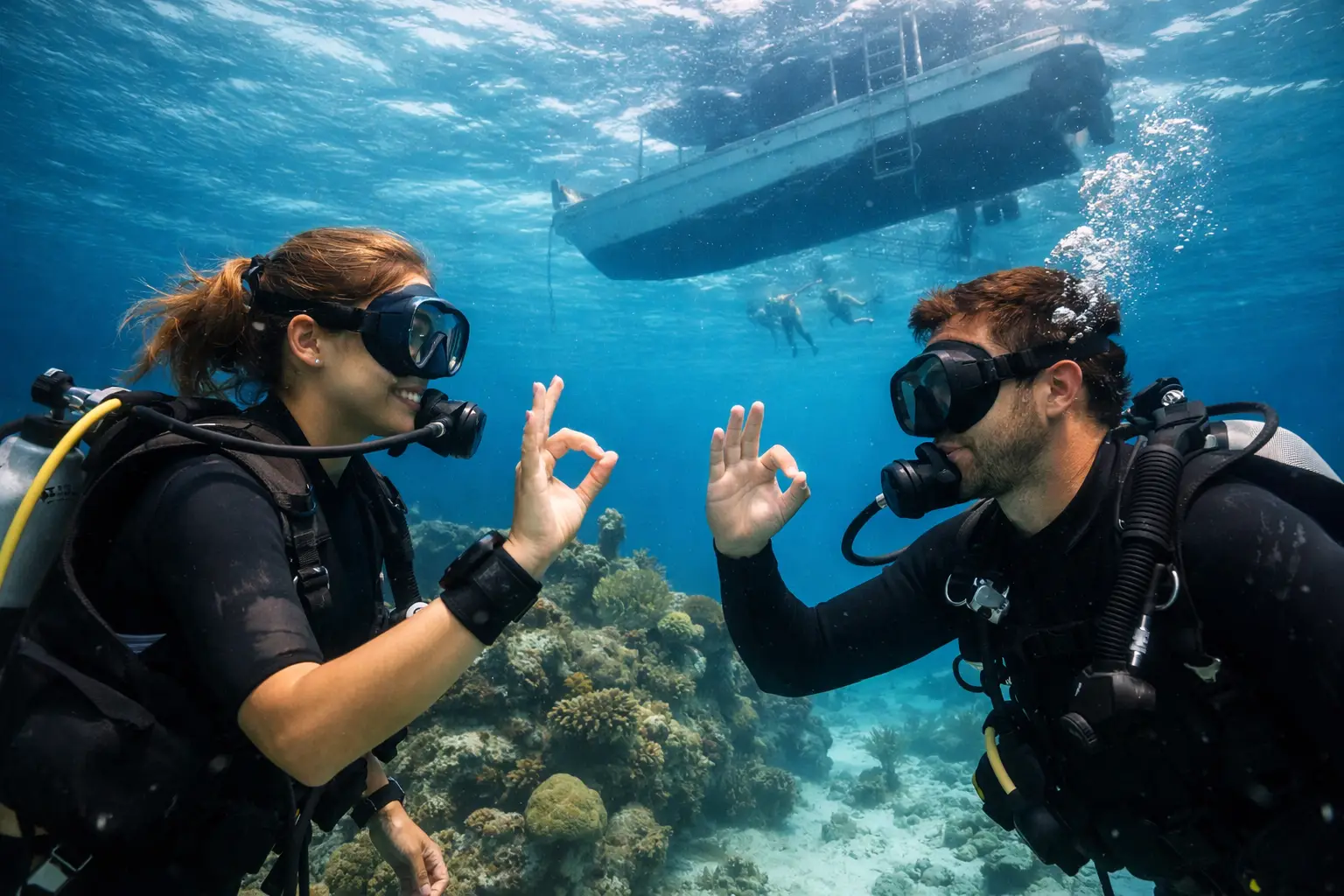
The best divemaster internship success story is rarely about a diver who arrived already knowing everything. It is about the moment they stop following the group and begin noticing the details that keep everyone else safe, calm, and excited to get in the water. In Tulum, that transformation happens against an extraordinary backdrop: jungle cenotes, Caribbean reefs, changing conditions, and guests from every corner of the world.
For a future dive professional, a Divemaster internship is not simply a longer certification course. It is a real test of commitment. You trade the familiar role of guest for early mornings, equipment checks, briefings, problem-solving, and the responsibility of being part of a team others trust. The reward is bigger than a card in your logbook. It is the confidence to build a life around diving.
Where a Divemaster Internship Success Story Begins
Most successful candidates start with the same feeling: excitement mixed with nerves. They may have completed Rescue Diver, logged enough dives to qualify for professional training, and spent plenty of time imagining a career in warm, blue water. Yet assisting an instructor or leading certified divers is different from diving for yourself.
At first, the small tasks can feel surprisingly demanding. You learn to prepare cylinders with purpose, organize rental equipment efficiently, track a group without hovering over it, and read each diver before they say they are anxious. A great Divemaster understands that a calm, clear briefing begins long before guests gather around the map.
Tulum makes that learning tangible. One day may involve guiding reef divers through gentle Caribbean currents; another may require the focus and environmental awareness that cenote diving demands. Conditions, site logistics, guest experience levels, and travel schedules all change. A strong internship teaches you to adapt without compromising safety or service.
The Shift From Capable Diver to Trusted Professional
A Divemaster candidate often measures progress in dive numbers. Logbooks matter, but the biggest shift is not numerical. It is the day you recognize a diver who needs extra encouragement, notice a loose fin strap before the boat leaves, or make a clear decision when the plan needs to change.
Professional confidence is built through repetition and feedback. You demonstrate skills until they are precise, conduct briefings until they sound like your own voice, and practice rescue scenarios until your response becomes deliberate rather than rushed. You learn why standards exist, not just how to repeat them.
This is also where humility matters. The strongest candidates ask questions, accept corrections, and stay curious. They understand that being a dive professional does not mean pretending to have every answer. It means knowing your limits, protecting divers and the environment, and getting the right support when a situation calls for it.
Leadership Is More Than Leading a Dive
Leading is not about being the loudest person on deck. It is about helping a mixed group feel prepared. A first-time visitor may be worried about equalizing. An experienced diver may be eager to descend quickly. Someone else may be distracted by a camera setup or concerned about seasickness.
A Divemaster learns to hold the whole picture. That means setting expectations, managing timing, communicating with the boat crew and instructors, and keeping the mood positive without minimizing real risks. In a destination like Tulum, where many guests have traveled far for a once-in-a-lifetime experience, that care becomes part of the memory they take home.
What Real Progress Looks Like During the Internship
Success does not arrive in one dramatic moment. It accumulates through everyday wins: a clean and confident briefing, a student who relaxes because you explained a skill clearly, a group that returns smiling because you guided it thoughtfully, or an instructor who trusts you with more responsibility.
Over time, candidates begin to see the operational side of diving, too. They learn that a professional career includes more than underwater adventure. There are compressors, inventory, scheduling, guest communication, paperwork, weather decisions, site conservation practices, and a responsibility to represent the dive center well.
That broader view is valuable even if your long-term goal is not immediate employment. Some candidates return to careers at home with stronger leadership skills and a clearer sense of purpose. Others continue directly into instructor development. Both paths count as success, because the internship has turned a passionate diver into someone with professional-level awareness.
The Trade-Offs Future Divemasters Should Expect
An internship in paradise is still professional training. There will be days when you are tired, wet, and handling gear while your friends are heading to the beach. There may be weather cancellations, challenging students, or moments when a skill takes longer to perfect than you expected.
That is not a reason to hesitate. It is a reason to choose the experience intentionally. A quick, checklist-focused program may suit a diver who needs to complete certification on a tight schedule. But if you want to develop real confidence, guided practice over time is usually the better investment.
The right fit also depends on your goals. Are you planning to work in dive tourism? Do you want to become an instructor? Are you drawn to conservation, marine life, technical pathways, or simply becoming the most capable diver you can be? Be honest about what you want, then choose a program with experienced mentorship, strong safety culture, and enough variety to challenge you.
Why Tulum Is a Powerful Place to Train
Tulum offers more than beautiful water. It gives future professionals exposure to an international diving community, varied environments, and the pace of a working destination dive center. You learn to welcome travelers with different experience levels, languages, expectations, and comfort zones.
You also gain a deeper appreciation for protecting the places that make diving possible. Cenotes are fragile freshwater systems. Reefs face pressure from climate change, tourism, and everyday human activity. A capable Divemaster does not treat conservation as a line in a briefing. They model buoyancy control, respectful wildlife encounters, responsible site behavior, and thoughtful choices on every dive.
At Infinity2Diving, professional development is built around this full-picture approach: PADI standards, practical responsibility, personal mentorship, and a genuine respect for the Riviera Maya’s underwater world. The goal is not to rush someone through a title. It is to help them become the kind of professional divers remember for the right reasons.
Carrying the Success Story Forward
When the internship ends, the real proof is not only a certification. It is how you show up afterward. Can you lead with patience? Can you explain a plan clearly? Can you make safety-focused decisions when no one is prompting you? Can you bring excitement to a dive while honoring the ocean and the people sharing it with you?
Those questions are worth more than any perfect social media photo. A Divemaster internship can open doors to work around the world, further instructor training, and a community of fellow professionals. But its most lasting gift is personal: the knowledge that you earned your confidence through effort, accountability, and hundreds of meaningful moments underwater.
If the idea of trading routine for a serious season of growth keeps calling you, listen closely. The next chapter of your own success story may begin with a packed dive bag, an early start, and the decision to become the person others are glad to have in the water.