
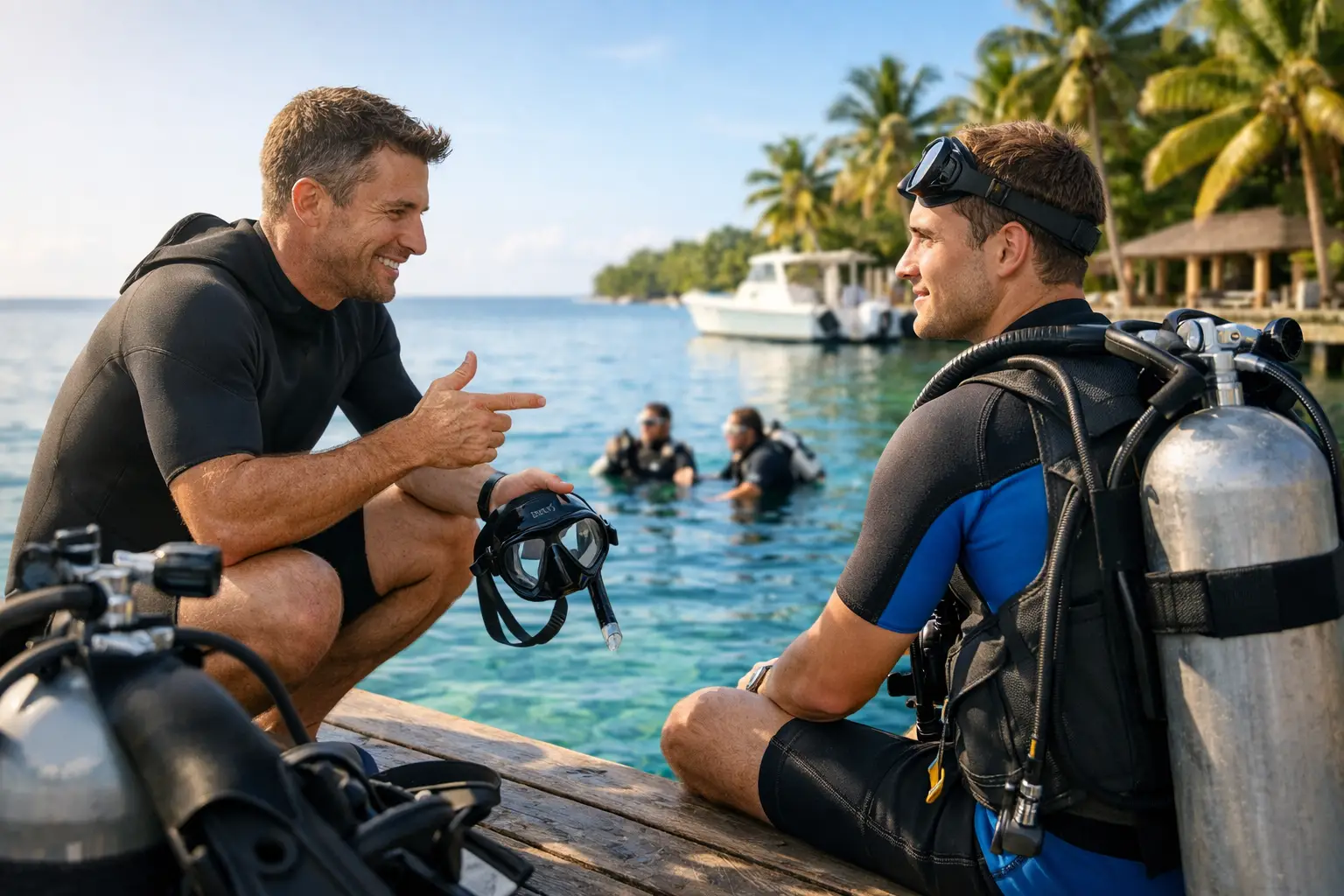
You do not need to be fearless to begin scuba. You just need the right first step. If you are wondering how to start scuba lessons, the best approach is not to rush into gear, jargon, or big claims about adventure. It is to find training that makes you feel safe, informed, and excited from the moment you arrive.
For most beginners, scuba starts with a mix of curiosity and nerves. That is normal. You might be traveling to Tulum for a vacation and thinking about trying diving for the first time, or you may already know you want a certification that opens the door to reefs, cenotes, wrecks, and future courses. Either way, a strong start matters. Good instruction builds confidence early, and that confidence changes everything underwater.
How to start scuba lessons without feeling overwhelmed
The first thing to know is that beginner scuba lessons are designed for complete newcomers. You do not need prior experience, and you do not need to show up already knowing how regulators work or how to equalize perfectly. A quality training program is built to teach those skills step by step.
Your first lessons usually include three parts. There is a knowledge component where you learn the basics of pressure, breathing, safety procedures, and equipment. Then there is confined water practice, where you get comfortable with core skills in calm, controlled conditions. After that comes open water, where you apply what you have learned in a real dive environment under the supervision of an instructor.
That structure matters because it removes guesswork. You are not being thrown into the ocean and told to figure it out. You are building skills in a sequence that makes sense.
Start with the right type of experience
One reason beginners get stuck is that they assume every first scuba experience is the same. It is not. The best choice depends on your goals, your schedule, and how certain you are that you want to keep diving.
If you are simply curious and want to try breathing underwater before committing to a full course, a beginner discovery experience can be a smart entry point. It gives you a feel for scuba with direct instructor support and less time commitment. This works well for travelers who want a meaningful first taste of diving without immediately starting a certification.
If you already know you want to become a certified diver, starting with a recognized open water course usually makes more sense. You will spend more time learning, practicing, and understanding the skills that keep you safe and comfortable. The payoff is bigger too. Once certified, you can dive in many destinations around the world and continue into advanced training later.
There is no universal right answer here. Some people benefit from a low-pressure first experience. Others are happier going straight into certification because they like structure and want a clear outcome.
What to look for in a scuba school
Choosing where to learn is more important than many beginners realize. A beautiful destination alone is not enough. The quality of instruction, the school culture, and the way the team handles beginners will shape your entire experience.
Look first at credentials and teaching standards. A professional training center should be transparent about its certifications, course structure, and instructor qualifications. If a school offers internationally recognized training, that gives you a clearer progression path if you want to continue diving after your trip.
Just as important is the feeling you get from the team. Beginner divers do best in an environment that is calm, organized, and genuinely welcoming. You want instructors who teach clearly, answer questions without judgment, and pay attention to individual pace. Some students are instantly comfortable in the water. Others need a little more time with mask skills or breathing. A good instructor knows the difference between pushing someone forward and supporting them properly.
This is also where all-inclusive pricing and clear communication make a real difference. When beginners are trying to focus on learning, hidden costs and vague logistics add stress that does not need to be there.
How to prepare before your first lesson
You do not need to train like an athlete before learning scuba, but a little preparation helps. The biggest advantage is not physical strength. It is mental readiness.
Show up well rested, hydrated, and honest about any concerns. If you are nervous about being underwater, say so. If you have trouble clearing your ears on airplanes, mention it. If you wear contacts or have not swum much recently, let your instructor know. These are normal details, not red flags.
It also helps to arrive with realistic expectations. Your first session is about learning comfort, control, and awareness. It is not about looking perfect. New divers sometimes think they should move gracefully right away, but early scuba skills can feel unfamiliar. Breathing through a regulator, hovering, and clearing a mask are all easier once your body relaxes and your attention slows down.
If you want a practical way to prepare, spend time in the water before your course if you can. Even a relaxed swim helps you reconnect with how your body feels in the water. You do not need advanced swimming technique, but basic comfort in the water supports faster learning.
Common beginner worries and what is actually true
Almost every new diver brings a private list of fears. Usually, they sound bigger in your head than they do once training begins.
A lot of people worry that they will panic when breathing underwater. In reality, most students adjust quickly once they realize they can breathe normally and are not expected to rush. Others worry about their ears. Equalizing can take practice, but patient instruction and a slow descent solve a lot. Some people are concerned they are not fit enough. Recreational scuba is more about calm movement, awareness, and proper technique than brute strength.
The bigger issue is often mindset. If you pick a school that treats beginners like a production line, small nerves can grow fast. If you learn with professionals who prioritize safety and confidence, those same nerves usually turn into excitement within the first day.
How long does it take to start scuba lessons?
This depends on the experience you choose. A discovery-style session can often fit into a shorter window, while a full open water certification takes more time because it includes academic learning, confined water skills, and open water dives.
For travelers, this matters when planning a trip. If your schedule is tight, it may be better to choose a first experience that fits your timing well rather than squeeze a certification into a rushed itinerary. On the other hand, if diving is one of the main reasons you are visiting Tulum, giving yourself enough days to learn properly creates a much better result.
Scuba is one of those activities where trying to save time can cost you confidence. Space in the schedule gives you room to absorb the skills, enjoy the environment, and actually remember the experience for the right reasons.
Why destination matters when you learn
Starting scuba in a place that inspires you can be a powerful advantage. Warm water, strong visibility, and exciting marine environments make the learning process feel less clinical and more transformative. That said, the setting should support the training rather than distract from it.
Tulum is a special place to begin because the experience can grow with you. A beginner may start with their first underwater breaths and basic certification goals, then realize there is a whole world beyond that – reef dives, cenotes, continuing education, and even professional pathways. That sense of progression is one reason many divers fall in love with the sport here.
At Infinity2Diving, that journey is treated with the seriousness it deserves and the warmth beginners need. The best training centers do more than teach skills. They help people picture what comes next.
How to know you are ready to book
You are ready when your questions have good answers and the process feels clear. You do not need to wait until every fear disappears. Most people start with at least a little uncertainty. What matters is whether the school gives you confidence in its standards, communication, and instruction.
Ask yourself a few simple things. Do you understand what type of lesson you are booking? Do you know how much time it takes? Are the credentials clear? Do you feel like beginners are genuinely welcomed, not just tolerated? If the answer is yes, you are probably looking at the right place to begin.
Scuba changes the way many people travel, learn, and challenge themselves. For some, it becomes a favorite vacation activity. For others, it becomes a serious skill set and eventually a career path. You do not have to know which one it will be on day one. You only need to start somewhere that makes the first breath underwater feel like the beginning of something bigger.