
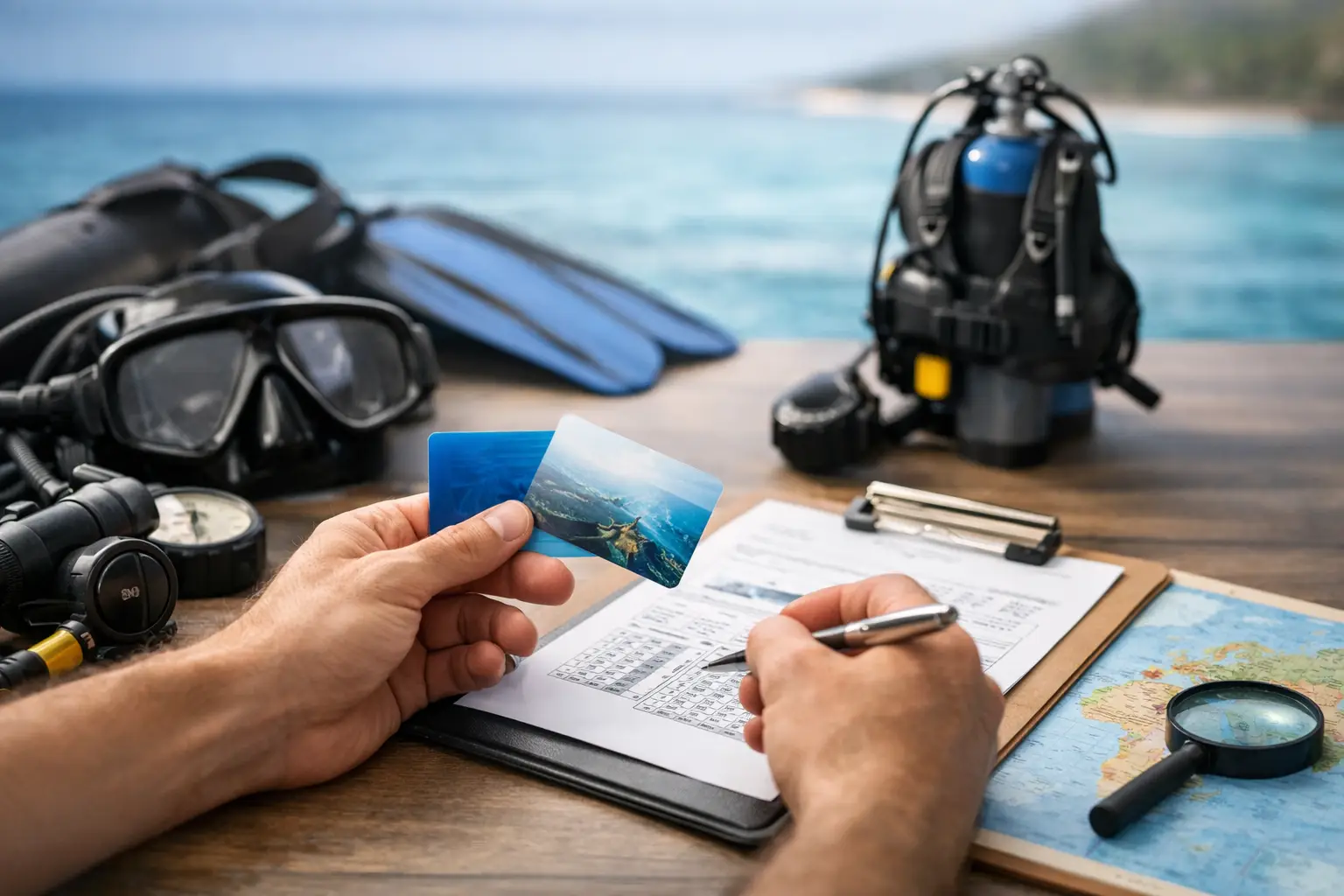
That first scuba course shapes more than a weekend plan. It affects how confident you feel underwater, how well you handle stress, and whether diving becomes a one-time vacation activity or a skill you carry around the world. If you are wondering how to choose scuba certification, the smartest move is not picking the cheapest course or the fastest schedule. It is choosing the training path that matches your goals, your learning style, and the kind of diving you actually want to do.
How to choose scuba certification for your goals
Start with the reason you want to get certified. That answer matters more than most people expect.
If you want to try scuba while traveling and keep future dive vacations open, an entry-level recreational certification is usually the right fit. If your bigger dream is cenotes, wrecks, night diving, or eventually going pro, your first course still begins at the beginner level, but you should choose a dive center that can guide you beyond it. The best first certification is not always the one with the shortest timeline. It is the one that sets up your next steps clearly.
For most new divers, the question is not whether they need a beginner certification. They do. The real question is which training environment and teaching standard will help them build strong fundamentals from day one. Good buoyancy, calm problem-solving, and smart habits matter a lot more than collecting cards quickly.
The agency matters less than the training quality
Many travelers get stuck comparing certifying agencies as if they are completely different products. In reality, most internationally recognized recreational agencies follow similar baseline standards for entry-level diver education. Your certification should be accepted broadly, but the bigger variable is often the quality of the instructor and the dive center delivering the course.
That said, recognition does matter. Choosing a widely accepted certification makes travel easier later, especially if you plan to dive in different countries. It also helps if you might continue into advanced, rescue, or professional training. A globally recognized pathway gives you flexibility.
For a lot of divers, PADI is appealing because of that worldwide recognition and the clear progression from beginner courses to Divemaster and Instructor levels. If you think there is even a small chance scuba could become a serious hobby or career path, choosing a center with a strong professional development structure can save you time and confusion later.
Instructor quality is where the real difference shows up
A certification card looks simple. Earning it well is not.
The right instructor can turn nervous energy into confidence. The wrong one can rush skills, overlook questions, or make a student feel like they are slowing down the group. When you are deciding how to choose scuba certification, pay close attention to who will actually teach you, not just the logo on the course materials.
Look for instructors who are patient, organized, and genuinely focused on safety. Ask whether training is done in small groups or large groups. Ask how much time is spent practicing skills before open water dives. Ask how the team supports anxious beginners or students who need extra coaching. These questions tell you far more than a flashy course description.
A premium course should feel personal. You want an instructor who notices your breathing, buoyancy, and comfort level, and who adjusts the pace when needed. That kind of attention builds divers who are calm and capable, not just technically certified.
The best certification course depends on where you learn
Location changes the learning experience in a big way. Calm, clear conditions can make a new diver feel secure and focused. Challenging conditions can build resilience, but they are not always ideal for a first exposure.
If you are learning in a destination like Tulum, think about what kind of water experience you want during training. Some students love the idea of pairing certification with a tropical trip and unforgettable underwater scenery. That can be incredibly motivating. It also helps when the dive center is used to teaching travelers, managing logistics smoothly, and building courses around vacation schedules without cutting corners.
Not every destination operation is built the same way, though. Some are excellent at guided fun dives but treat training as an add-on. Others are true education-focused centers with a strong safety culture and a full progression from beginner to pro. If your goal is a real foundation, choose the second type.
This is one reason some travelers prefer training with a full-service school like Infinity2Diving. A center that handles beginner education, continuing education, and professional programs usually has a stronger teaching system than one built only around tourist excursions.
Price matters, but value matters more
It is tempting to compare courses by price alone, especially when vacation costs are already adding up. But scuba certification is one of those purchases where cheap can become expensive fast.
A lower headline price may leave out equipment rental, certification fees, pool sessions, learning materials, transportation, or smaller student-to-instructor ratios. By the time you add everything back in, the bargain often disappears. Worse, a discounted course may move students through skills too quickly, which can leave you needing extra practice later or feeling uneasy on future dives.
A better question is what you are actually getting. Is the pricing all-inclusive? Are quality rental gear and course materials included? How many students are in the group? Is there enough time for skills development? A course with transparent pricing and strong instruction often delivers better value than a stripped-down option that only looks affordable at first glance.
How to choose scuba certification if you feel nervous
A lot of future divers worry that they are not naturally suited to scuba. They think they need to be fearless, ultra-athletic, or already comfortable in deep water. None of that is true.
If you are nervous, the right course is one that treats confidence as something built step by step. You want patient instruction, a welcoming atmosphere, and enough time to repeat skills until they feel natural. You do not want pressure to perform instantly.
This is where culture matters. A dive center can be highly professional without feeling intimidating. The best teams combine serious standards with warmth. They answer every question, normalize nerves, and create an environment where beginners feel supported rather than judged.
If that sounds small, it is not. Students learn better when they feel safe asking for help. That emotional side of training can make the difference between barely finishing a course and genuinely loving diving.
Think beyond your first certification card
Your first scuba certification is not the finish line. It is the entry point.
So ask yourself what comes next. Do you want to keep diving casually on vacations? Do you want to improve buoyancy and underwater control quickly? Are you already dreaming about cenotes, deeper dives, rescue training, or a future as a dive professional?
Choosing a school with a clear course progression gives you room to grow. That does not mean you need to commit to advanced training immediately. It means your first experience should happen in a place where continuing education is available when you are ready. A diver who falls in love with the underwater world after day two of training should not have to start searching from scratch for the next step.
Questions worth asking before you book
Before you commit, ask practical questions that reveal how the course actually runs. Find out the maximum class size, what is included in the total price, how long the course takes, and whether there is flexibility if you need more practice. Ask about the instructor’s experience, the training environment, and what support is available after certification if you want to continue.
Pay attention to how the team responds. A strong dive center will answer clearly and confidently. They will not dodge details or push you to book without enough information. Good training begins before you ever enter the water.
Reviews can help, especially when they mention instructor patience, organization, and safety standards. Still, use them as one piece of the decision, not the whole thing. The best choice is usually the center that combines trusted credentials, transparent communication, thoughtful teaching, and an experience that fits your goals.
Choosing scuba certification is really choosing how you want to begin your life underwater. Pick the course that makes you feel challenged, supported, and excited to keep going, because the right start has a way of changing everything that comes after.
Leave a Reply