
Cenote Diving Beginner Guide for Tulum Trips
You notice it before you enter the water – the stillness. No surf, no current pushing at your shoulders, no boats overhead. For many travelers, a cenote diving beginner guide is less about chasing adrenaline and more about understanding what makes this kind of dive feel so different from the ocean. In Tulum and the Riviera Maya, cenotes offer a calm, otherworldly introduction to underwater adventure, but they also demand respect, training, and the right expectations.
If you are curious about cenote diving and wondering whether it is realistic for a newer diver, the short answer is yes, sometimes. The longer answer is better, because beginner-friendly does not mean casual. A great first cenote experience is structured, instructor-led, and matched to your comfort level.
What makes cenote diving different?

Cenotes are freshwater sinkholes connected to vast underground cave systems across the Yucatan Peninsula. When divers talk about cenotes, they are usually referring to cavern dives, not full cave diving. That distinction matters.
A cavern dive stays within the daylight zone, follows established lines, and is led with strict procedures. Cave diving goes beyond natural light and requires advanced, specialized training. For beginners, the appeal of cenotes is that you can experience dramatic rock formations, light beams, haloclines, and crystal-clear water without stepping into technical cave diving.
The environment changes the feeling of the dive. Visibility is often exceptional. Movement is slower. Buoyancy control becomes more noticeable because there is nowhere to hide sloppy technique. In the ocean, a new diver may be distracted by fish, surge, or changing conditions. In a cenote, the silence and clarity make your own breathing and body position part of the experience.
That is one reason cenote diving leaves such a strong impression. It feels peaceful, but it also feels precise.
A cenote diving beginner guide to who can actually do it
Not every first-time visitor to Tulum is ready to jump into a cenote dive the next morning, and that is not a bad thing. The right path depends on your certification level, your recent dive experience, and how comfortable you are in the water.
If you are a certified Open Water diver with decent buoyancy and a calm attitude, many guided cavern dives can be a realistic next step. If you have never dived before, you will usually need training first. Some travelers assume cenotes are easier because the water is calm, but overhead environments call for stronger awareness and better control than a casual resort dive.
This is where a training-led approach makes a real difference. Instead of treating the cenote as a one-off excursion, the better option is to build toward it. A few days of structured diving, skill refreshers, and instructor support can turn nervous curiosity into genuine readiness. That progression is often what separates a stressful experience from an unforgettable one.
What beginners usually worry about:
Most concerns are completely normal, and most can be handled with good guidance.
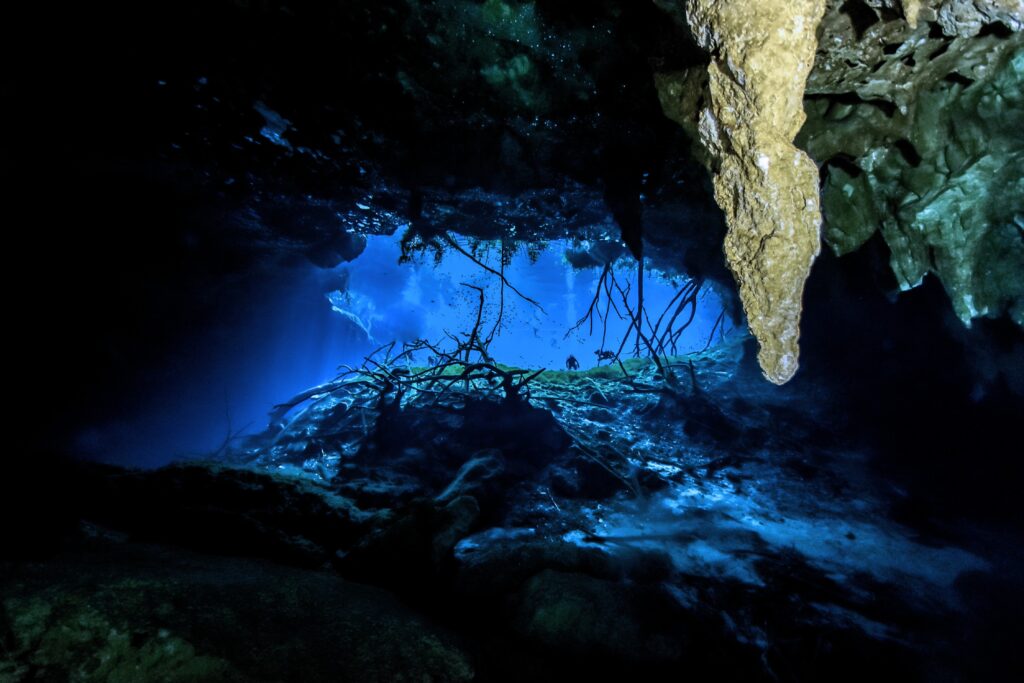 The first fear is the overhead setting. Even when you stay in the cavern zone, the idea of rock above you can feel intimidating on land. Underwater, many divers are surprised that it feels calmer than expected because routes are planned, visibility is clear, and your guide manages the pace.
The second concern is darkness. In beginner-appropriate cenotes, you remain within natural light, although some sections are dimmer than open water. That contrast is part of the beauty, but it should never come as a surprise. A good briefing explains exactly what you will see and where the light changes.
The third issue is equalization and temperature. Cenote water tends to be cooler than the sea, and depth changes can happen gradually but steadily. Neither is usually a dealbreaker, though both are worth prepa
ring for if you are sensitive to cold or have trouble clearing your ears.
Then there is buoyancy. This is the big one. If your finning is chaotic or you tend to pop up and down, cenotes are not the place to fake it. The good news is that buoyancy can improve quickly with coaching, and many divers benefit from a refresher before attempting a cavern dive.
Training first, adventure second
The dream is the light rays and limestone formations. The reality that gets you there safely is skill development.
For beginners, the best cenote experience usually starts before the cenote. That may mean completing an entry-level certification, doing confined water practice, or scheduling a refresher after time away from diving. It may also mean starting with reef dives to rebuild comfort, then moving into cenotes once your trim, breathing, and communication are more consistent.
This is especially helpful for travelers planning a short vacation. It is tempting to book the most photogenic dive immediately, but compressed timelines can create unnecessary pressure. A multi-day approach is often smarter. One day to assess your skills, another to dial in buoyancy and confidence, then a cenote dive when you are actually ready to enjoy it.
That is why operators focused on guided progression, like Infinity2Diving, tend to create a better beginner experience than businesses that treat cenotes like a simple add-on. In this environment, education is not separate from the adventure. It is what makes the adventure work.
What a beginner-friendly cenote day looks like
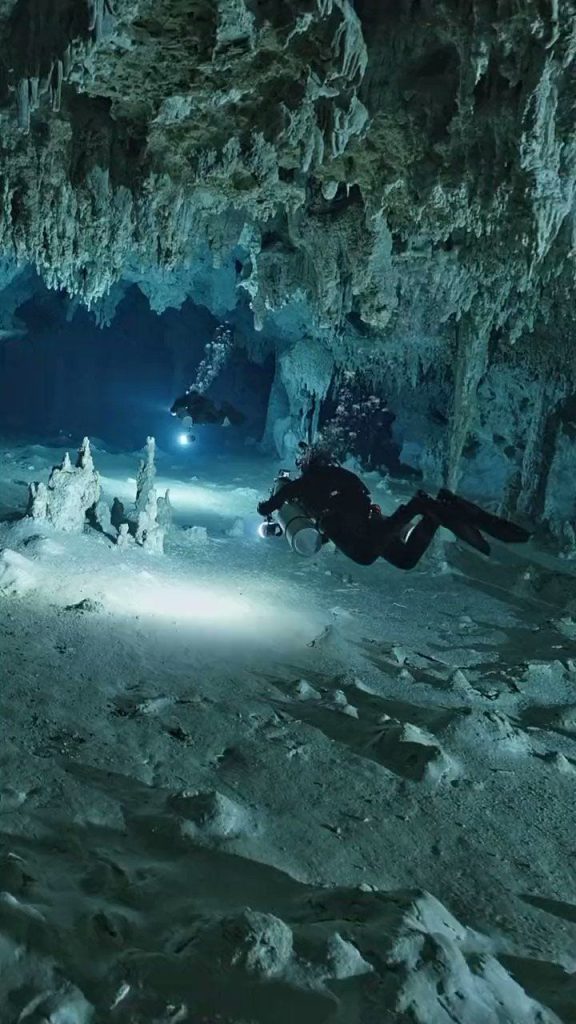
A well-run cenote dive day should feel organized from the start. You begin with a detailed briefing, not a quick gear handoff. Your guide will explain the site, route, visibility, hand signals, light use, gas planning, and expected behavior in the cavern zone. This is also when you should mention any anxiety, recent struggles, or equipment concerns.
At the water, the pace should stay calm. Entry points vary by cenote, and some are easier than others. Once underwater, the dive is typically slow and deliberate. You are not racing from feature to feature. You are following a controlled route, staying close to your guide, monitoring your position, and taking in the environment without losing awareness.
For many beginners, the surprise is how meditative the dive feels. You hear your breath, see sunlight breaking through the water, and start to settle into the rhythm. The best guides know how to keep that feeling intact while still managing the serious parts of the dive.
Gear, comfort, and what to expect physically
You do not need advanced personal gear to start, but proper fit matters more than many travelers expect. A mask that leaks in a cenote becomes a constant distraction. Exposure protection matters too, since freshwater temperatures can feel chilly over the course of the dive.
You will also notice that cenote dives can be less physically demanding than rough ocean diving in some ways, but more mentally engaging. There may be little current and no waves, yet the environment asks for attention. Good fin control, slow breathing, and steady movement make a huge difference.
If you are prone to claustrophobia, be honest about that before booking. Some divers do fine once they understand they are staying in open cavern areas with visible exits and natural light. Others prefer to start on reefs and decide later. There is no prize for forcing the wrong dive too early.
Choosing the right operator in Tulum
A true cenote diving beginner guide has to include this part, because your experience depends heavily on who leads it. In Tulum, the right operator is not just the one offering the lowest price or the fastest booking. You want clear standards, strong instruction, honest screening, and a willingness to say not yet if your skills need work.
Look for an operator that asks about certification, recent dives, comfort level, and goals. That is a sign they are matching the experience to the diver rather than selling the same trip to everyone. Ask whether the dive is a cavern dive, what prerequisites apply, how the day is structured, and whether a refresher or skill-building session makes sense first.
The best answer is rarely the most aggressive one. It is the one that makes you feel challenged, supported, and properly prepared.
Why cenotes are worth doing the right way:
There are easier first dives to book in Mexico. There are simpler environments to learn in. But cenotes offer something rare – a sense of entering a hidden world without needing to become an advanced technical diver to appreciate it.
When beginners approach cenotes with patience, training, and the right guide, the experience can shift how they think about diving altogether. It stops being just an activity on a vacation itinerary and starts feeling like a skill worth building, a world worth returning to, and a part of travel that stays with you long after the trip ends.
If cenote diving is calling to you, treat that curiosity like the start of a journey, not a rush decision. The more thoughtfully you prepare, the more space you will have underwater to do the one thing that matters most – look around and be amazed.